
How to catalogue old books without an ISBN
No barcode, no ISBN, sometimes not even a title on the spine. Old books need a different way in.
Get in touch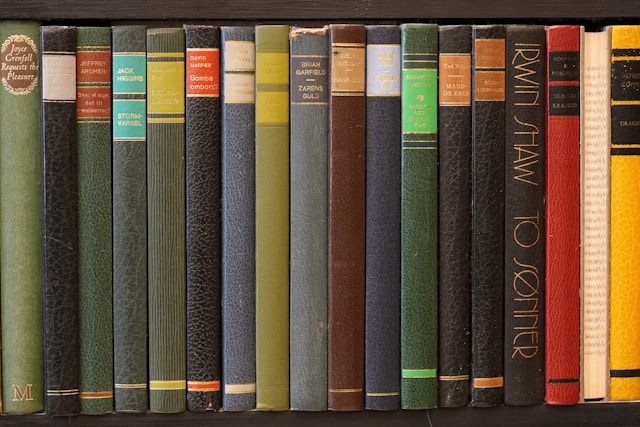
An old book is catalogued from the book itself. TitleEntry reads the spine from a shelf photo or the title page from a photo of it, finds a record where one exists, and keeps the photo where none does. You add the condition and the details only a person holding the book can see.
Last updated: 26 October 2026
Cataloguing old books in four steps
Start with the spines
Photograph each shelf. Where the spine still shows a title and author, the AI reads it and looks the book up, the same as for a new book. Many old books are done at this stage.
Open the rest at the title page
For a faded or blank spine, photograph the title page. Add its back, where the printer, publisher and date often appear, and the cover or contents if they help. Up to five photos make one book.
Check what was read
Every book comes back in a review list beside its photo. Correct a name, untick anything you do not want, and choose the shelf.
Add what only you know
Give each book its condition and a note: the binding, an inscription, a bookplate, where you found it. The title page photo stays with the book as its picture.
What to note about an old book
Two copies of the same old title can be very different books. Worth writing down in each book’s notes:
- Edition statement and printing, exactly as printed
- Publisher and place of publication from the title page
- Binding: cloth, leather, paper wrappers
- Inscriptions, signatures and bookplates
- Faults: foxing, loose plates, missing pages
- Where and when you acquired it, and what you paid
Condition has its own field, on the scale booksellers use from new to poor, and it goes into every export with the rest of the record.
Why the title page
Librarians catalogue from the title page because it is the book’s own statement of what it is. The spine can be abbreviated, re-bound or blank; the title page names the full title, the author and, with its back, the publisher and printing.
Not only books
Pamphlets, reports, programmes and bound papers have a title page too, and no barcode. The title page scanner catalogues them the same way, into the same catalogue as the books.
More for collectors in the book collection catalogue guide. How title pages and shelf photos work together: add books with AI. The library term behind our name: what is a title entry.
Frequently asked questions
Record it from the book itself: the title page gives the title, author, publisher and often the place and date. In TitleEntry you photograph the title page and the AI reads it, or photograph the shelf and the AI reads the spine.
The ISBN came into use around 1970, and barcodes on books came later still. Anything older has neither, and many books from the 1970s and 1980s have an ISBN printed inside but no barcode on the cover.
It is saved with what the AI read from the spine or title page, and you can fill in the rest by hand. For title page books, the photo is kept as the book’s image, so the record shows the page itself.
No. It reads what is printed and records it, and a note can hold the edition statement. Identifying first editions and their value is a job for a specialist bookseller.
It reads most printed title pages and spines, including other languages and scripts. A heavily decorated or worn page can be misread, which is why every read is shown for checking before it is saved.