
How to run a school library inventory in the US
Scan the shelves, check the stock, keep a record. TitleEntry builds the catalogue so the inventory takes days, not weeks.
Try TitleEntry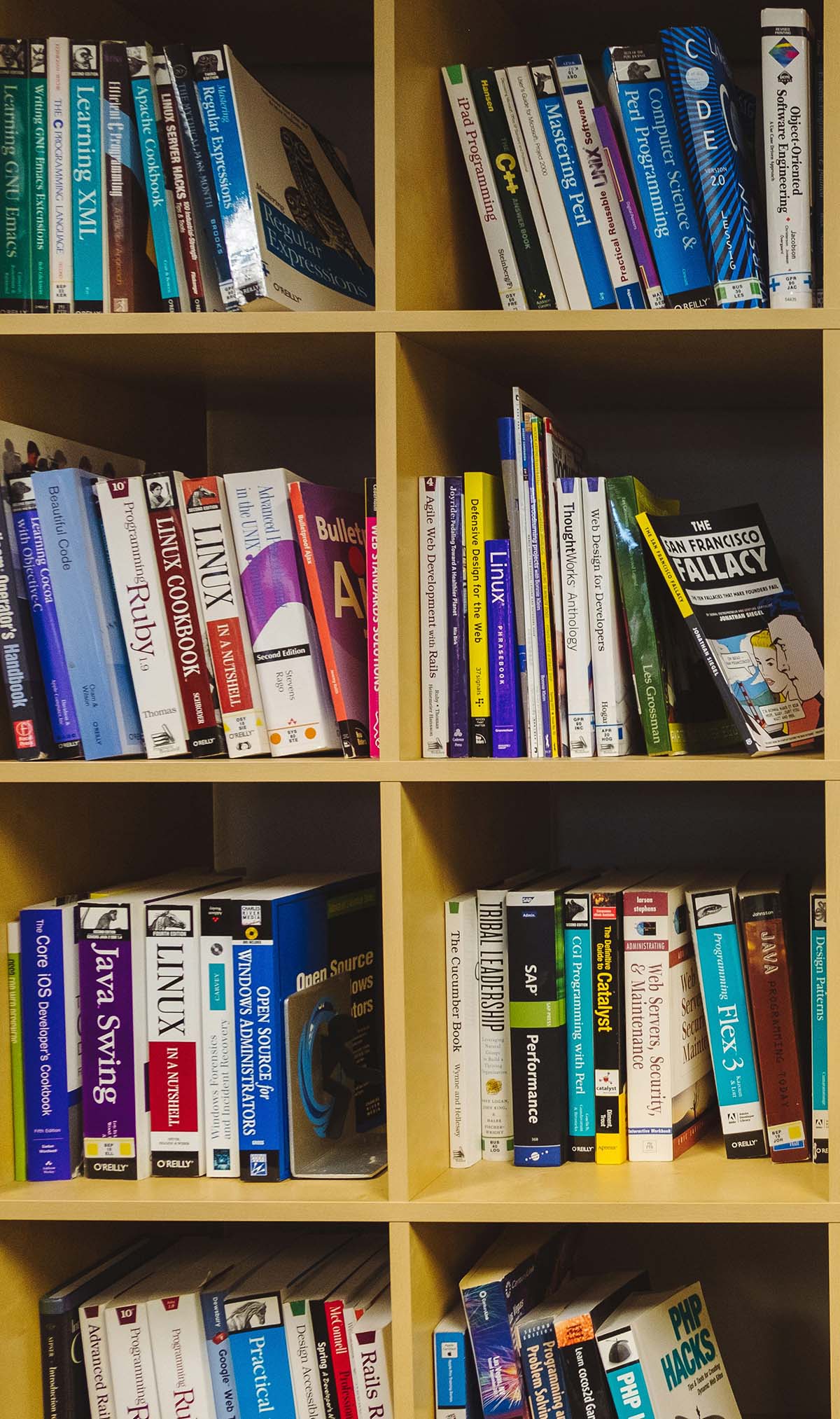
US school libraries are run by school librarians, library media specialists and, in many schools, a teacher or aide with a few free periods. Requirements for school libraries are set state by state, so what a school must keep on record depends on where it is. The inventory is the same job everywhere: count what is on the shelves. For the general guide, see school library inventory.
A school library inventory in four steps
Scan what is on the shelves
Point a phone camera or USB scanner at the barcode on each book, or photograph a whole shelf and the AI shelf scanner reads the spines, up to 300 books per photo. Classroom sets and older titles with no barcode are covered. Each book appears in one list with its cover and details filled in.
Tag each book with its shelf
Name each shelf or collection before you scan it, so every book is recorded against where it sits. Moving a book to another shelf later is one edit, not a re-scan.
Compare against what you expect
The catalogue is a live list of what is physically on the shelves. Check it against your last records, spot missing titles, and pull duplicates and damaged copies. Duplicate copies are detected, and you choose whether to update quantities, skip them or save them as new.
Export the record
Export the catalogue to Excel when the inventory is done. It opens in Excel or Google Sheets, so you can hand the record to your principal, district office or whoever asks for it.
State guides: New York, Ohio, Texas and Florida. Guides for other countries: United Kingdom, Canada, Australia and Ireland. Read more about the AI bookshelf scanner and ISBN scanning.
US books scan like any other
Every US publisher gets its ISBNs from Bowker, the US ISBN Agency, and the barcode on the back of a US book is a standard ISBN. TitleEntry looks the book up and fills in the record. Classroom sets and series are common in school collections, and the quantity field keeps copies of the same title together.
Shelf, classroom and library
A school may have a main library, classroom reading corners and department collections. Name each as its own location and the catalogue keeps them separate. The AI shelf scan reads up to 300 books per photo, which is useful when a collection has no barcodes to scan.
Honest about what TitleEntry is and is not
TitleEntry is a cataloguing and export tool. It is not a library management system: no circulation, no patron accounts, no overdue tracking and no OPAC. See our guide to book cataloguing software for how the options compare.
If your school already runs a library system, use the export as a spreadsheet you can adapt into its import format. If it has no digital catalogue, TitleEntry builds one from the shelves. The AASL National School Library Standards describe how a school library should serve learners; TitleEntry only handles the catalogue underneath.
Frequently asked questions
Yes. US publishers receive ISBNs from Bowker, the US ISBN Agency, and the barcode on a US book is read like any other ISBN. TitleEntry looks it up and fills in the record. Books no source holds can be added by hand.
Scan every book on the shelves, record the shelf each one sits on, then compare the list against your previous records. Barcode scanning handles books with an ISBN. For older books without one, photograph the shelf and the AI shelf scanner reads the spines.
Yes. School library requirements in the United States are set at state level rather than nationally, so what a school must maintain or report depends on its state. Check with your state department of education for your own rules.
The American Association of School Librarians published its National School Library Standards for Learners, School Librarians, and School Libraries in 2018. They describe what effective school libraries and librarians do. TitleEntry does not assess against them; it builds the catalogue of what you hold.
No. It catalogues and exports, with no checkouts, student accounts or overdue notices. If your district already has a library system, use the export to check it against the shelves. If not, the catalogue and spreadsheet can be your record.
Get in touch and we will talk through your collections and set you up.
Last verified 6 October 2026. Sources: Bowker, U.S. ISBN Agency; American Library Association, AASL National School Library Standards.